Fungal Control & Biosafety Protocols
Mold Removal,
Remediation & Containment
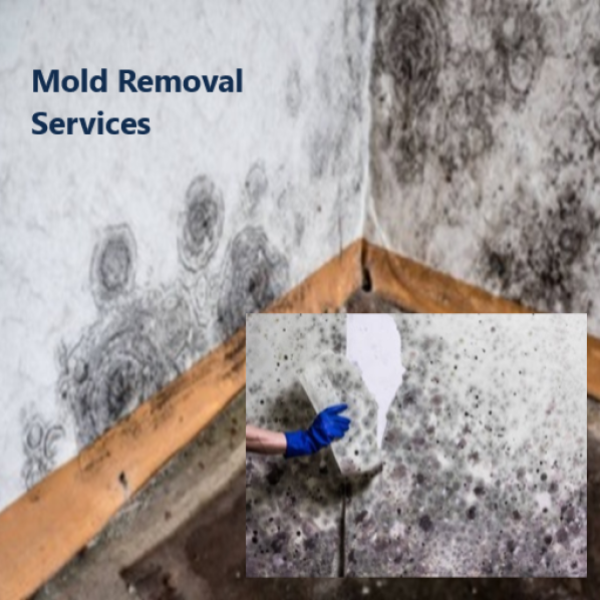
Mold infestations are indicators of compromised indoor microclimates. High baseline humidity layered with unmitigated structural carbon parameters and localized temperature dips produce aggressive root incubation fields inside corporate buildings.
Brief on Services
Fungal Vector
Characteristics
Elevated localized humidity ratios combining with dense carbon deposits create aggressive manifestation nodes inside commercial office floors, healthcare hubs, and public zones. Active spores emit hazardous bio-toxins, creating immediate stress layers for occupants.
Ecosystem Framework
The 5-Step Remediation Process
Step 1: Inspection & Lab Testing
Harvesting atmospheric sample loops and gathering deep structural surface bio-swabs for incubation assessment profiles. Forensic microscopic slide profiling is administered by certified microbiologists to chart mycelium counts safely before handling.
Step 2: Containment & HEPA Filtration
Erecting critical poly-sealed negative pressure containment borders paired with high-volume clean air scrubbers. Our experts redesign moisture control duct boundaries permanently:
ACMV Correction
Fixing surface mold counts is only a temporary layer if underlying air mechanical delivery networks are structurally flawed.
Microbiologist Swab Tracing
Validation through strict lab protocols to guarantee comprehensive trace mapping of hidden fungal vectors.
Dehumidification Curve Layouts
Redesigning environmental moisture boundaries to prevent ongoing dampness vulnerabilities post-treatment.
Cleanliness Field Certifications
Issuing accredited documentation proving successful remediation down to safe microbiological levels.
Step 3: Chemical Neutralization
Treating fungal nodes directly using verified, non-destructive chemical formulas that collapse the cell matrix immediately.
Step 4: EMU Climate Control
Deploying specialized Environmental Management Units to systematically strip moisture properties away from materials.
Step 5: Post-Remediation Sweeps
Secondary clean validation audits certify environmental security ratings prior to building re-occupancy clearings.
Unique Features
Professional Protections
Industrial Grade PPE: Remediation crews perform field actions inside full-barrier suits and N95 carbon filter frameworks to keep spores isolated.
HEPA Spore Capture: Continuous multi-pass air machine loops isolate loose airborne particles from the building streams, stopping drift loops.
Antimicrobial Glazes: Post-remediation zones receive active surface protectants that seal substrates and inhibit future micro-bacterial anchors.
Substrate Porosity Warning: Partition structures and gypsum ceiling tiles possess highly porous internal cellular networks. We provide complete diagnostic evaluations to prevent cross-contamination.
Applications
Biosafety Environment Solutions
🏢 Commercial Office Floors
Mold accelerates rapidly inside commercial office floors and crowded public zones, requiring precise structural extraction plans.
🏥 Healthcare Hubs
Protecting sensitive patients from active spores that emit dense hazardous bio-toxins creating immediate stress layers.
🏨 Hotels & Hospitality
Ensuring guest rooms remain free of toxic gas odors and localized humidity pockets that lead to deep material infestation.
📚 Libraries & Schools
Preserving critical learning materials and protecting students from crawlable wall mold mite groups through HEPA containment.