

Formaldehyde and VOC Removal — clone
Formaldehyde and VOC Removal
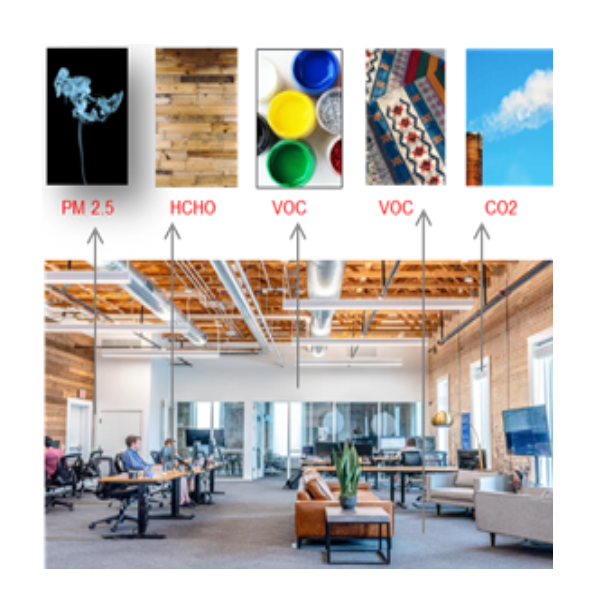
Formaldehyde and VOC gases are usually emitted from furniture, paints, and woodworks in new offices, homes and factories. These chemical gases have varied effects on individuals, with those having respiratory conditions suffering the most.
In Singapore, the code of practice for indoor air quality, SS554 and SS553 for ventilation, provides guidelines for measuring and maintaining indoor parameters. The suggested TVOC level should be <1.0 ppm, and Formaldehyde should be <0.08 ppm.
Common symptoms include burning eyes, pungent odors, headaches, and skin irritation. We strongly recommend measuring these parameters before occupying any new space.
Audit and Consulting
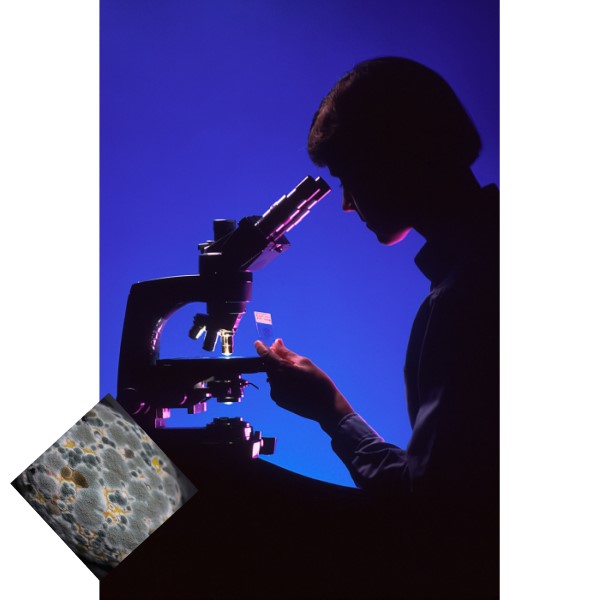
Our consultants have vast experience in auditing and identifying the root causes of these gases. It is crucial that a calibrated instrument be used for measurement, as even slight errors can lead to misleading outcomes.
Accuracy in identifying the root cause is of utmost importance. Our consultants assist you in identifying issues and provide advice on interim precautions.
We use Singlas-accredited labs to test these gases — reports can be used for official submission to authorities or agencies if necessary.

Treatment Methods
We provide services that adhere to a tested process to remove these gases from internal materials, limiting occupant exposure. Steps to improve internal air quality:
- 1Measure and identify the levels of contaminants.
- 2Identify the root cause or materials causing these issues.
- 3Treat identified materials under proper environment conditions.
- 4Post-treatment, measure again after one week to assess effectiveness.
Reach out to our consultants to eliminate root causes before treating the materials.